
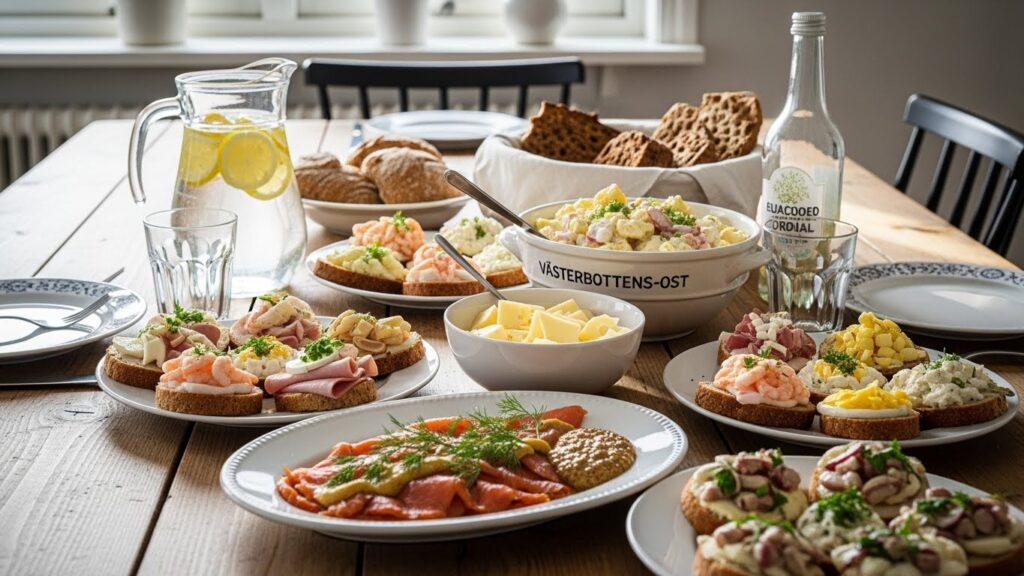
The word bjudlunch comes from Swedish culture and translates roughly to a “hosted lunch,” meaning a meal that someone invites you to and pays for. While the concept may sound simple, the social meaning behind bjudlunch is rooted in customs, generosity, reciprocity, and relationship-building. Over time, the idea has expanded beyond private gatherings and entered workplaces, communities, and even digital spaces.
This article offers a deep look into what bjudlunch means, how it is practiced, and why it remains relevant in modern society. It also explores traditions, etiquette, cultural evolution, and the role bjudlunch plays in personal and professional spaces.
Understanding the Concept of Bjudlunch
At its core, bjudlunch describes a situation where one person invites another to lunch and covers the cost. In Swedish social culture, this act signifies appreciation, goodwill, or a gesture of building trust.
The invitation is often casual, yet its meaning can carry emotional, cultural, and sometimes professional significance. Unlike formal gatherings, a bjudlunch usually emphasizes comfort, equality, and genuine connection.
Key characteristics include:
-
An invitational gesture
-
The host taking responsibility for the lunch
-
A relaxed and friendly setting
-
A sense of sharing and appreciation
Though simple, the concept reinforces important social values.
Cultural Roots of Bjudlunch
Swedish society places high value on balance, humility, and togetherness. Traditions such as fika (a coffee break with social interaction) illustrate this emphasis on meaningful social connection.
Similarly, bjudlunch evolved from the broader cultural idea of communal sharing. Historically, meals were occasions to strengthen neighborhood ties, negotiate alliances, or simply show kindness.
Unlike cultures where hosting is a formal obligation, Sweden’s approach is subtle and personal. The bjudlunch serves as a way to express gratitude without the need for ceremony.
Why Bjudlunch Remains Important Today
Even in modern times, bjudlunch continues to hold significance for several reasons:
1. Strengthening Relationships
Sharing food fosters communication and warmth. Whether between friends, family, or colleagues, the gesture builds closeness.
2. Promoting Appreciation
A bjudlunch is often a way to thank someone—perhaps for a favor, support, or partnership.
3. Supporting Work Environments
In workplaces, offering a hosted lunch can encourage teamwork, break down barriers, and improve morale.
4. Encouraging Reciprocity
While the host pays, the gesture supports an ongoing cycle of giving. Guests may later invite the host, continuing a healthy social exchange.
5. Enhancing Well-Being
Eating together reduces stress, builds community, and creates meaningful moments in busy lives.
Bjudlunch in Personal Life
In private settings, bjudlunch appears in various forms:
Family Gatherings
Parents may invite their adult children for a hosted lunch to celebrate milestones or simply connect.
Friendships
Friends often use bjudlunch as a spontaneous opportunity to catch up, offer support, or celebrate achievements.
Romantic Relationships
Partners may exchange hosted lunches as a sign of care or affection.
Special Occasions
Birthdays, accomplishments, or farewells might be marked with a thoughtful bjudlunch.
In all these cases, the focus remains on presence, quality time, and appreciation.
Bjudlunch in Professional Settings
The concept has gradually become common in work environments. In corporate or organizational contexts, a hosted lunch can serve multiple purposes:
Team Building
Leaders invite teams to lunch to strengthen unity and open communication.
Client Relationships
A bjudlunch can help create rapport and set a relaxed tone for discussions.
Employee Appreciation
Companies may offer employees a hosted lunch to recognize hard work or celebrate milestones.
Networking
Professionals often use hosted lunches to exchange ideas, explore collaboration, or connect in an informal setting.
While still friendly, workplace bjudlunch gatherings may carry strategic value.
The Etiquette of Bjudlunch
While the concept is flexible, certain unspoken rules maintain the tradition’s spirit.
The Host Should Initiate Clearly
The invitation should specify that the lunch is hosted. Ambiguity can create awkwardness.
Guests Should Show Appreciation
Expressions of gratitude—verbal or otherwise—matter greatly.
Respect the Setting
Keeping conversation respectful and inclusive ensures a pleasant experience.
Reciprocity Is Encouraged but Not Required
True generosity doesn’t expect repayment, but many choose to invite the host another time to balance the gesture.
Avoid Over-Ordering
Guests generally order moderately out of respect for the host.
These customs help keep bjudlunch comfortable and thoughtful.
Modern Interpretations of Bjudlunch
As society evolves, so has the meaning of the term. Several modern adaptations exist:
Digital Bjudlunch
With virtual meetups growing, people now send digital food vouchers or delivery treats as a form of hosted lunch.
Work Benefits
Some companies include a version of bjudlunch in employee perks, offering hosted meals on certain days.
Community Programs
Local groups and organizations sometimes sponsor hosted lunches to support social inclusion.
Cultural Exchange
Visitors experiencing Swedish culture may be introduced to bjudlunch as part of learning local customs.
These examples show how tradition adapts to new lifestyles while keeping core values intact.
The Social Psychology Behind Bjudlunch
The power of a hosted lunch extends beyond food.
Food Builds Trust
Eating together activates social bonding psychology, reducing perceived distance.
Generosity Creates Positive Emotion
Acts of giving enhance both the giver’s and receiver’s emotional state.
Shared Experiences Deepen Memory
Meals often become memorable moments with emotional significance.
Equality in Hospitality
A bjudlunch is casual yet meaningful, fostering a sense of equality and comfort.
This psychological foundation explains why the tradition remains meaningful across generations.
Bjudlunch vs. Other Cultural Traditions
Many cultures celebrate hospitality through food, but bjud lunch has its unique elements.
Less Formal Than a Hosted Dinner
Lunch is casual and approachable.
More Personal Than Corporate Meals
The gesture is rooted in genuine connection rather than obligation.
Distinct from Potluck Traditions
Guests are not expected to bring anything—everything is covered by the host.
More Relaxed Than Holiday Feasts
It can happen any day, for any reason, without large gatherings.
These distinctions give bjudlunch its particular cultural flavor.
How to Organize a Meaningful Bjudlunch
Anyone can host a successful bjud lunch. Here’s how:
Choose a Comfortable Location
A cozy café, a favorite restaurant, or even a home kitchen works well.
Pick the Right Timing
Lunch times are flexible, but choosing a moment that suits both parties helps create a relaxed atmosphere.
Personalize the Experience
A thoughtful restaurant choice or a homemade meal adds warmth.
Keep the Conversation Natural
Topics should be easy, friendly, and uplifting.
Ensure the Guest Feels Welcome
The goal is connection, not obligation.
Hosting a bjud lunch becomes effortless when sincerity is the guiding principle.
The Future of Bjudlunch
As social habits shift, the hosted lunch continues to evolve. Trends indicate:
-
Growing workplace adoption
-
More digital forms of hosted lunches
-
Rising appreciation for slow living and meaningful connections
-
Increased cultural interest from outside Sweden
The tradition’s simplicity ensures it adapts easily while retaining its core message of hospitality.
Conclusion
The concept of bjudlunch goes far beyond simply paying for someone’s meal. It represents gratitude, connection, generosity, and cultural tradition. Whether between friends, family, colleagues, or new acquaintances, a hosted lunch fosters trust and strengthens relationships.
In a world where time is valuable and genuine interactions can be rare, bjud lunch remains a meaningful tradition that encourages slowing down, sharing, and appreciating one another. Its relevance continues to grow, proving that even a simple lunch can carry deep social significance.