Beit Bart is a concept that blends rich history with deep personal significance. For many, it serves as a bridge between tradition and modernity, encapsulating the essence of cultural identity in its intricate designs. As you delve into the world of Beit Bart, you’ll discover not just its historical roots but also how this unique expression has evolved over time. Whether you’re drawn to its symbolic meanings or curious about creating your own personalized version, there’s much to explore within this fascinating topic. Join us on a journey through the origins and modern interpretations of Beit Bart—where every detail tells a story waiting to be uncovered!
What is Beit Bart?
Beit Bart, often rooted in cultural and familial traditions, represents a unique blend of artistry and heritage. At its core, it symbolizes the home or dwelling that embodies one’s identity.
This term is frequently associated with decorative items or art pieces that reflect personal stories or collective histories. Each Beit Bart serves as a canvas for expression, showcasing intricate designs and meaningful symbols.
The beauty of Beit Bart lies in its versatility. It can vary from traditional motifs to contemporary interpretations. This adaptability allows individuals to connect deeply with their roots while still embracing modern aesthetics.
In many ways, Beit Bart acts as a celebration of life’s milestones—births, weddings, and other significant events are often commemorated through these artistic expressions. As such, they carry not just visual appeal but also emotional weight within communities and families alike.
Origins of Beit Bart
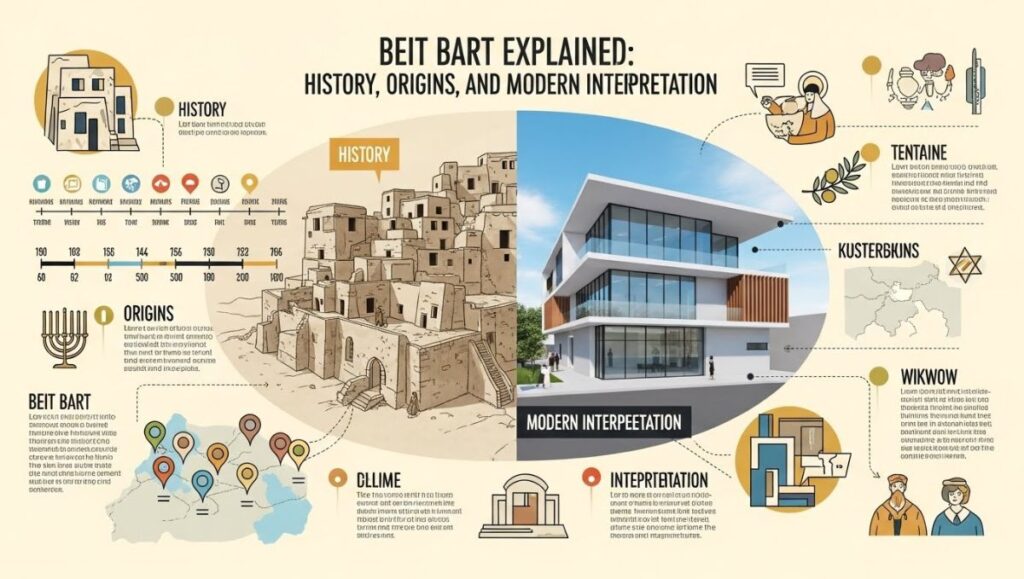
Beit Bart traces its roots to ancient Jewish traditions. The term itself means “House of the Son,” symbolizing a deep familial connection and heritage. This concept has been pivotal in shaping cultural identities within various Jewish communities.
Historically, Beit Bart often emerged during significant life events such as births, bar mitzvahs, and weddings. These gatherings served not just as celebrations but also as affirmations of faith and community ties.
As time progressed, the practice evolved across regions. Different interpretations sprouted based on local customs and beliefs. Each community infused its unique flavor into the tradition while maintaining respect for its origins.
The essence of Beit Bart lies in preserving family lineage and honoring ancestral connections, reflecting a timeless commitment to unity in diversity.
Significance and Symbolism in Beit Bart
Beit Bart holds profound significance in various cultural contexts. Traditionally, it represents the concept of home and family unity. The structure symbolizes a safe haven where bonds are nurtured.
The architectural elements often reflect heritage and identity, serving as a reminder of one’s roots. Each detail can carry personal stories or ancestral memories.
In spiritual terms, Beit Bart embodies hospitality and warmth. It invites not just family but also friends into its embrace. This notion extends beyond physical space; it encompasses emotional connections.
Colors and designs play crucial roles too. They convey messages about beliefs, values, and aspirations associated with the inhabitants’ journeys through life.
Artistic interpretations vary widely across communities, enhancing its rich tapestry of meanings over generations while adapting to contemporary influences.
Modern Interpretations of Beit Bart
Modern interpretations of Beit Bart have evolved significantly, embracing contemporary aesthetics while honoring traditional roots. Artists and designers now incorporate diverse materials such as glass, metal, and ceramics. This shift allows for more imaginative designs that resonate with today’s audience.
The essence of Beit Bart remains intact: a celebration of home and family. However, the visual representation has expanded to include minimalist styles or vibrant motifs that reflect individual personalities.
Social media plays a pivotal role in these transformations. People share their unique creations online, inspiring others to explore this ancient art form in new ways. Workshops and community events further encourage participation across various age groups.
Incorporating personal stories into each piece is becoming increasingly popular. It adds depth and meaning beyond mere decoration, making every Beit Bart a cherished narrative within the household.
Differences between Traditional and Modern Beit Bart
Traditional Beit Bart often adheres to age-old customs. It features intricate designs that reflect historical craftsmanship. The colors and materials used are typically rooted in cultural significance.
In contrast, modern Beit Bart showcases a more minimalist approach. Contemporary interpretations may prioritize simplicity over elaborate detail. This shift makes it accessible to a broader audience who appreciate clean lines and fresh aesthetics.
While traditional pieces might focus on symbolism deeply tied to heritage, modern creations embrace personal expression. They allow for customization based on individual tastes and experiences.
Furthermore, the medium can vary significantly between the two styles. Traditional artisans often work with classic materials like wood or stone, whereas modern artists might experiment with metals or even digital art forms.
These differences mark a fascinating evolution of Beit Bart, reflecting changes in artistic expression through generations.
How to Create a Personalized Beit Bart
Creating a personalized Beit Bart is an exciting journey. Start by selecting materials that resonate with you. Whether it’s wood, metal, or fabric, choose textures and colors that reflect your personality.
Next, think about the symbols and designs you want to incorporate. These could represent personal milestones, cultural heritage, or even family traditions. Sketch out your ideas before bringing them to life.
Consider adding meaningful words or phrases in your native language. This adds depth and significance to your piece.
When crafting the Beit Bart itself, take your time with each detail. Every cut and stitch should feel intentional.
Don’t forget to involve loved ones in this process. Collaborating can turn a simple project into a cherished memory for everyone involved.
Conclusion
Beit Bart is more than just a term; it embodies a rich tapestry of history and cultural significance. Its origins trace back to ancient traditions, where it served as a focal point for community gatherings and familial ties. Over time, Beit Bart has evolved, adapting to modern interpretations while retaining its core values.
The symbolism associated with Beit Bart highlights unity and strength within families and communities. This concept resonates deeply in today’s fast-paced world, reminding us of the importance of connection.
As we explore the differences between traditional and contemporary forms of Beit Bart, it’s clear that innovation plays a crucial role in keeping these traditions alive. Modern adaptations allow individuals to personalize their experiences while honoring ancestral roots.
Creating your own personalized Beit Bart can be an enriching experience. It invites creativity and reflection on what family means to you today. By incorporating personal symbols or themes that resonate with your unique story, you can craft a meaningful representation that speaks volumes about your heritage.
Embracing the essence of Beit Bart opens doors not only to understanding our past but also to forging stronger connections in the present. The journey through its layers encourages us all to appreciate both tradition and transformation in our lives.