
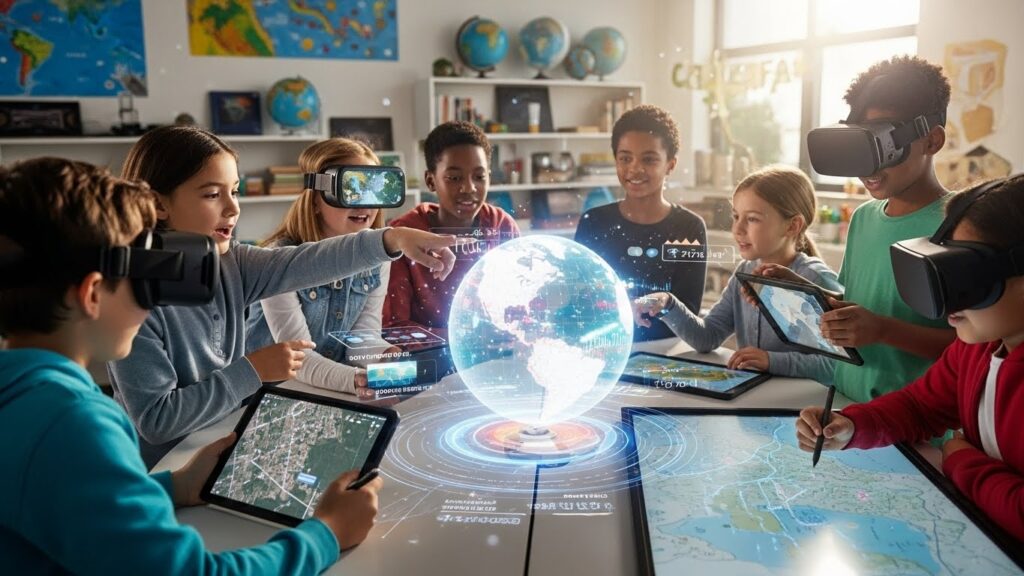
In a world where digital tools shape how young learners explore information, the term “JR Geo” has begun gaining attention across educational platforms, tech communities, and geography-focused learning spaces. Although still evolving, JR Geo has quickly emerged as a modern concept combining junior-level geography education, interactive exploration, and digital mapping tools designed for young or beginner learners.
This article explores what JR means, how it is used, and why it is becoming a key element in the future of geographic learning.
What Is JR Geo?
JR Geo refers broadly to junior geography, a learning approach or resource type aimed at helping younger students understand geography through simple, interactive, and engaging methods.
The term is commonly associated with:
-
Beginner-friendly geography learning
-
Digital maps and interactive tools
-
Educational platforms or apps for kids
-
Entry-level geoscience awareness
-
Early-stage exploration of earth, climate, and environment
Put simply, JR Geo represents a modern, accessible gateway to understanding the world, tailored especially for younger learners or beginners.
Where the Term JR Geo Comes From
While JR Geo does not have one single origin, it appears to combine:
-
“JR” — a common abbreviation for junior
-
“Geo” — short for geography
Together, they form a concise, modern term used in digital education, classroom resources, and online content.
Several factors have contributed to the rise of the term:
1. Growth of EdTech Tools
The rise of educational apps has led to more branded, child-friendly subject names.
2. Global STEM Expansion
Geography, earth science, and environmental studies are major priorities in global education.
3. Increased Online Learning
Online platforms often categorize beginner or youth content with abbreviations like JR.
4. Social Media Influence
Educators and geography enthusiasts share JR content across Instagram, YouTube, and TikTok.
Why JR Geo Matters Today
JR Geo aligns with growing trends in early-stage global learning. Understanding geography is more important than ever due to:
-
Climate change
-
Globalization
-
Environmental shifts
-
Cultural awareness
-
Digital mapping in everyday life
Teaching these concepts early helps build eco-conscious, globally aware future generations.
Common Uses of JR Geo
1. Geography Learning Platforms
Many digital learning tools create JR courses to introduce basic concepts like continents, landforms, and climates.
2. School Learning Materials
Teachers use JR Geo-style worksheets, games, and visuals for grades 1–6.
3. Kids’ Educational Apps
Interactive globes, map quizzes, and earth exploration games often fall under JR content.
4. Video Tutorials
YouTube creators produce JR lessons explaining geography through animations.
5. Beginner Mapping Tools
Simple GIS-style platforms for kids also use the JR label.
What JR Geo Typically Covers
Though the curriculum varies across tools and platforms, JR Geo content usually includes:
1. World Basics
-
Continents
-
Oceans
-
Hemispheres
-
Poles and equator
2. Landforms
-
Mountains
-
Valleys
-
Deserts
-
Plains
-
Rivers and lakes
3. Climate Basics
-
Weather patterns
-
Seasons
-
Climate zones
4. Earth Systems
-
Layers of the earth
-
Natural disasters
-
Environmental ecosystems
5. Human Geography Basics
-
Cities
-
Cultures
-
Transportation
-
Population
-
Maps and globes
These foundational topics create a natural pathway for deeper learning later in life.
The Rise of Digital JR Geo Learning
Technology plays a major role in popularizing JR. Children today often learn through:
1. Interactive Maps
Zooming, clicking, exploring locations in real time improves engagement.
2. Gamified Learning
Map puzzles, climate quests, and location-based challenges make geography fun.
3. AR/VR Tools
Programs allow kids to “walk” through deserts, oceans, and forests virtually.
4. AI-Powered Geography Assistants
Interactive tutors help kids ask questions about places, weather, or cultures.
5. Kid-Friendly GIS
Simplified geographic information systems introduce analytical thinking.
This shift is turning geography from a memorization-heavy subject into an exploration experience.
Benefits of JR Geo for Young Learners
1. Builds Critical Thinking
Kids learn to analyze patterns, climates, cultures, and landscapes.
2. Encourages Global Awareness
Early exposure helps children understand the world’s diversity.
3. Improves Environmental Responsibility
Kids learn how ecosystems work and why sustainability matters.
4. Strengthens Curiosity
Exploring maps encourages natural curiosity about people and places.
5. Supports Digital Literacy
Using maps and learning tools prepares children for future tech use.
Who Uses JR Geo?
JR Geo is popular among:
-
Teachers
-
Homeschool parents
-
Educational content creators
-
YouTube educators
-
App developers
-
Environmental nonprofits
-
Geography clubs
-
Museums and learning centers
Its flexibility makes it useful for both formal and informal learning.
Examples of JR Geo in Sentences
Here’s how the term naturally appears online:
-
“We introduced JR lessons to help 3rd graders learn continents.”
-
“The JR Geo app is great for teaching map basics to kids.”
-
“My child loves exploring climates through JR games.”
-
“Our school’s JR week focuses on landforms and oceans.”
The term is especially common in youth educational settings.
Is JR Geo Becoming a Trend?
Yes—JR Geo is gaining momentum for several reasons:
-
EdTech companies are investing in geography-focused tools
-
Social media is spreading kid-friendly geography content
-
Environmental education is now a global priority
-
Schools are integrating digital learning earlier than ever
As geography becomes more interactive and tech-driven, JR Geo content will continue expanding.
The Future of JR Geo
JR Geo may evolve into:
-
Full digital curriculums
-
Global youth geography competitions
-
AR exploration platforms
-
Beginner-friendly GIS tools
-
More geography-based games for children
It is likely to become a standard label in early geography education, similar to “STEM Jr.”
Final Thoughts
JR Geo represents a new wave of geography education—one that is interactive, digital, and designed for younger learners. As technology reshapes how children understand the world, JR acts as a bridge between traditional geography and modern exploration tools.
From digital maps to immersive lessons, JR is helping shape the next generation of globally aware, environmentally conscious learners.