
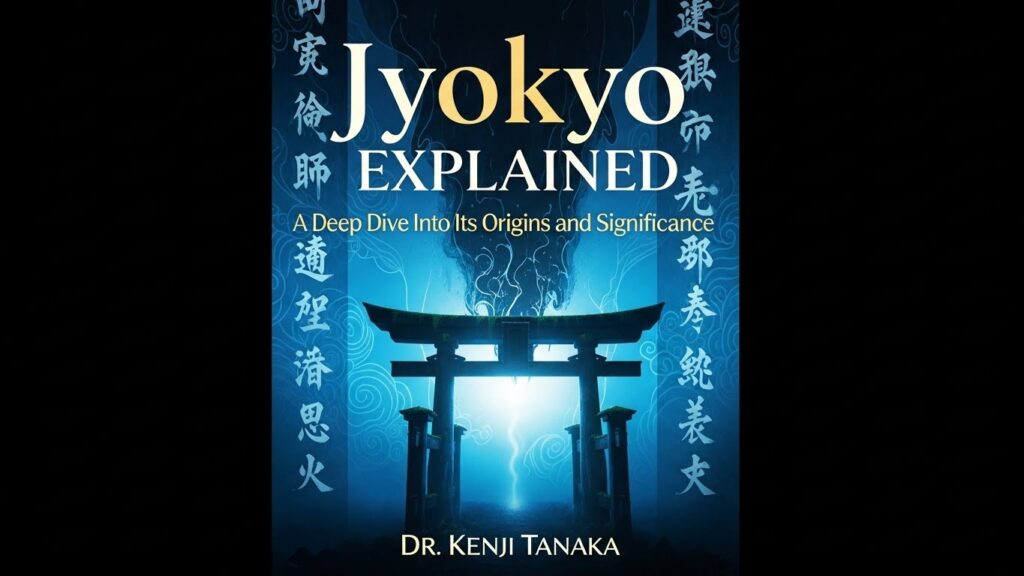
Jyokyo is more than just a practice; it’s a journey into the heart of Japanese spirituality and culture. Rooted in rich history, this unique tradition has captivated minds and hearts for centuries. But what exactly does Jyokyo entail? How did it evolve from its ancient origins to become the intricate system we see today? As we explore these questions, we’ll uncover layers of meaning that reveal not only the significance of Jyokyo itself but also its impact on individuals and society as a whole. Join us as we dive deep into this fascinating world where mindfulness meets philosophy, influenced by Zen Buddhism yet distinct in its own right. Whether you’re curious about its practices or simply seeking greater understanding, there’s much to discover within the essence of Jyokyo.
The Origins of Jyokyo: A Historical Perspective
Jyokyo has a rich history that intertwines with Japan’s cultural evolution. Its roots can be traced back to the Heian period (794-1185), when court life flourished, and spiritual practices began gaining prominence.
During this time, various forms of Buddhism were introduced and adapted within Japanese society. Jyo-kyo emerged as a unique expression of these influences, amalgamating traditional Shinto beliefs with Buddhist principles.
The samurai class played a significant role in popularizing Jyo-kyo. They sought inner peace and clarity through meditation and rituals derived from Zen teachings. This practice became not just a personal journey but also an integral part of their code.
As centuries passed, Jyo-kyo evolved further during the Edo period (1603-1868). It gained recognition among common people, transcending social barriers while emphasizing mindfulness and community connection.
The Influence of Zen Buddhism on Jyokyo
Zen Buddhism profoundly shaped Jyokyo, infusing it with an emphasis on mindfulness and simplicity. This spiritual practice encourages individuals to embrace the present moment, a core principle that resonates deeply within Jyokyo.
Meditative techniques from Zen are interwoven into Jyokyo rituals. Practitioners often engage in meditation as a way to connect more intimately with their surroundings. This connection fosters a sense of inner peace and clarity.
Moreover, Zen’s aesthetic principles influence the visual aspects of Jyokyo. The idea of ‘wabi-sabi’—appreciating beauty in imperfection—is evident in its art forms and practices.
As practitioners immerse themselves in this blend of spirituality and artistry, they cultivate a holistic experience that transcends mere ritualistic actions. Instead, it becomes a pathway for self-discovery and deeper understanding within oneself.
The Meaning and Symbolism Behind Jyokyo
Jyokyo embodies a rich tapestry of meaning and symbolism that reflects both spiritual and cultural dimensions. At its core, Jyokyo represents a deep connection to nature and the universe. It resonates with the essence of balance, harmony, and mindfulness.
The term itself can be translated to signify purification or clarity. This aligns closely with various practices aimed at achieving inner peace and enlightenment. The symbolism extends beyond mere words; it manifests through rituals that invoke tranquility.
In visual representations, elements like water often symbolize fluidity and adaptability within Jyokyo philosophy. The integration of natural motifs emphasizes simplicity as a path to understanding life’s complexities.
Colors play a vital role too; each hue carries unique meanings that contribute to the overall experience of Jyokyo practice. Together, these layers create an intricate framework for personal growth while fostering community bonds among practitioners.
How Jyokyo is Practiced Today
Today, Jyokyo is practiced in various forms around the world. Its essence lies in mindfulness and a deep appreciation for nature.
Many practitioners engage in meditation sessions that incorporate traditional elements of Jyokyo. These often take place in serene outdoor settings like parks or gardens. The goal is to connect with one’s surroundings while centering thoughts.
Artistic expression also plays a significant role. Calligraphy, painting, and poetry inspired by Jyokyo are common avenues for individuals to explore their inner selves. This creative outlet enhances personal reflection.
Community gatherings celebrate the principles of Jyokyo through workshops and discussions. Participants share their experiences and insights, fostering a sense of belonging.
Incorporating Jyokyo into daily life has become popular as well. Simple practices such as mindful eating or walking create opportunities for individuals to embrace its philosophy throughout their routine activities.
Benefits and Impact of Jyokyo on Individuals and Society
Jyokyo offers profound benefits both for individuals and communities. Practicing this art form cultivates mindfulness, enhancing one’s ability to focus on the present moment. This mental clarity fosters emotional resilience, helping people navigate life’s challenges more effectively.
On a societal level, Jyokyo encourages connection among practitioners. Classes and workshops create spaces where individuals share experiences and support each other’s growth. These interactions promote empathy and understanding within diverse groups.
Moreover, Jyokyo can serve as a tool for stress reduction in fast-paced environments. As participants engage in its principles, they often report lower anxiety levels and improved well-being.
Additionally, the philosophical teachings underpinning Jyokyo inspire creativity and innovation. People learn to approach problems with an open mind, leading to fresh perspectives that benefit various fields from arts to business initiatives.
Misconceptions and Controversies Surrounding Jyokyo
Jyo-kyo often faces misunderstandings rooted in its spiritual nature. Many assume it’s merely a ritualistic practice, overlooking its deeper philosophical aspects. This oversimplification can lead to the belief that Jyo-kyo is irrelevant in modern life.
Controversies also arise from differing interpretations within communities. Some practitioners emphasize strict adherence to tradition, while others advocate for more contemporary adaptations. This divergence can create rifts and heated debates among followers.
Additionally, the intersection of Jyo-kyo with commercialism raises eyebrows. As some individuals attempt to monetize this ancient practice, questions about authenticity and respect surface. Critics argue that such commercialization dilutes its true essence.
Outsiders sometimes label Jyo-kyo as elitist or inaccessible due to perceived complexities surrounding its teachings. These assumptions might deter potential practitioners who seek genuine connection and understanding within this rich tradition.
Conclusion
Jyokyo is not just a practice; it’s a rich tapestry of history, philosophy, and spirituality. Its origins trace back to ancient Japan, where cultural influences from various sources melded into what we recognize today. The impact of Zen Buddhism on Jyokyo cannot be understated. This connection enriches its practices, making it a profound journey for those who engage in it.
The symbols associated with Jyokyo carry deep meanings that resonate with practitioners. They serve as reminders of the interconnectedness of life and the pursuit of inner peace. Today, many people find solace in Jyokyo’s teachings, applying them to modern challenges while fostering community and connection.
However, like any tradition, Jyokyo faces misconceptions and controversies that can cloud understanding. It’s essential to approach this practice with an open mind and a willingness to learn.
As individuals explore Jyokyo further or incorporate its principles into their lives, they often experience personal transformation and communal benefits that enhance societal well-being. Embracing such practices can lead us all toward greater harmony within ourselves and our communities.