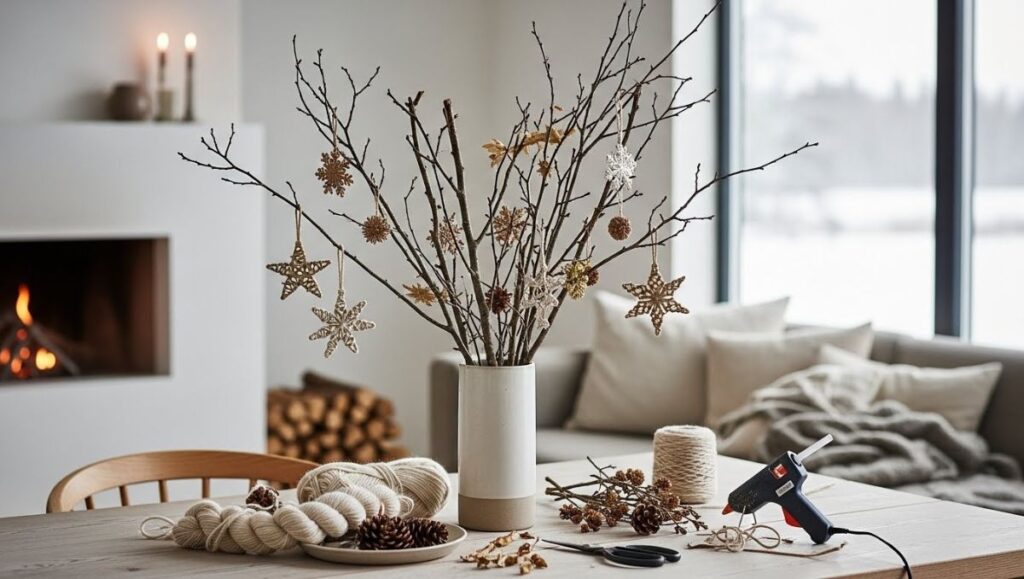
In the world of modern home décor and creative crafting, few terms have sparked as much curiosity lately as Pyntekvister. With its Scandinavian charm and artistic appeal, the word has begun circulating across décor blogs, DIY communities, lifestyle pages, and social media conversations. Though unfamiliar to many, Pyntekvister represents a rising aesthetic movement centered on minimalism, natural beauty, and handmade creativity.
More than a decorative item, Pyntekvister has evolved into a style philosophy that blends Nordic simplicity with artistic expression. This article dives deeply into what Pyntekvister means, how it’s used, why it’s trending, and how it can transform homes, events, and personal creative projects.
What Does “Pyntekvister” Mean?
While the term is Nordic-inspired, its general meaning can be interpreted as:
-
Decorative branches
-
Artistic twigs used for styling
-
Crafted natural pieces for interior design
“Pynte” suggests decoration or embellishment, while “kvister” refers to branches or twigs.
Together, Pyntekvister describes beautifully arranged twigs or branches used to enhance living spaces, celebrate seasons, and create visual harmony.
Today, the term has expanded beyond its literal translation. It symbolizes a style built around:
-
natural materials
-
minimalist Scandinavian décor
-
eco-friendly creativity
Why Pyntekvister Is Gaining Popularity
Pyntekvister has become a rising trend for several reasons:
1. The Global Rise of Scandinavian Design
People worldwide are leaning toward minimalist, nature-forward décor.
Pyntekvister fits directly into the Scandinavian principles of:
-
simplicity
-
comfort
-
harmony
-
organic beauty
2. Sustainable, Nature-Inspired Living
As more people embrace sustainability, natural décor elements are becoming essential.
Pyntekvister offers an eco-friendly option using materials found in nature.
3. DIY Culture Is Growing
Handmade aesthetics—especially using branches, wood, and natural pieces—are booming on platforms like Pinterest, TikTok, and Instagram.
4. Versatility Across Seasons and Styles
Pyntekvister can be adapted for:
-
spring freshness
-
autumn warmth
-
winter hygge ambiance
-
minimalist year-round décor
5. Low-Cost, High-Impact Décor
Many homeowners want stylish décor without high costs.
Pyntekvister provides a beautiful yet affordable solution.
How Pyntekvister Is Commonly Used in Home Décor
Pyntekvister is flexible enough to enhance any design style, from rustic to modern. Here are the most popular uses:
1. Table Centerpieces
Arranged in simple vases or jars, decorative branches make elegant centerpieces for:
-
dining tables
-
coffee tables
-
kitchen islands
-
event tables
They add height, structure, and a natural feel without overwhelming the space.
2. Seasonal Decorations
Pynte kvister shines during seasonal transitions:
-
Spring: fresh blooms, pastel ribbons, budding twigs
-
Autumn: golden leaves, berries, dried branches
-
Winter: white branches, small ornaments, LED fairy lights
Each season brings its own charm.
3. Wall and Corner Displays
Branches can be arranged as:
-
wall décor
-
minimalist corner accents
-
vertical sculptures
-
lean-against-the-wall organic art pieces
The clean aesthetic enhances modern interior spaces.
4. Holiday and Festive Styling
Norwegian and Scandinavian homes often use decorative branches for:
-
Christmas ornament displays
-
Easter branches with painted eggs
-
Midsummer festival greenery
-
Winter hygge arrangements
Pyntekvister enriches holiday moods with natural beauty.
5. Rustic and Boho Interior Themes
If your home features boho or rustic styling, Pyntekvister blends perfectly with:
-
woven baskets
-
earthy tones
-
macramé elements
-
dried flowers
-
natural fabrics
It adds structure while maintaining softness.
Creative DIY Ideas Using Pyntekvister
One reason the term is trending is the explosion of DIY content showcasing unique and artistic ways to use decorative branches.
Here are some inspiring ideas:
1. Branch Photo Display
Use string, mini clothespins, and a branch to create a natural-style photo wall.
2. Hanging Light Branch
Wrap a single long branch with warm fairy lights and suspend it over a dining table—perfect for Nordic-themed interiors.
3. Minimalist Botanical Sculptures
Arrange branches in a tall vase with stones for stability.
This simple piece brings instant Scandinavian elegance.
4. Seasonal Door Décor
Instead of traditional wreaths, Pyntekvister can be shaped or bundled for a minimalist door accent.
5. Bird or Butterfly Décor Branch
Craft small paper or wood shapes and attach them to branches for a whimsical display.
Materials Commonly Paired With Pyntekvister
To enhance its natural beauty, Pyntekvister is often styled with complementary materials such as:
-
dried flowers
-
eucalyptus
-
moss
-
pinecones
-
linen fabric
-
recycled glass vases
-
ceramic pots
-
wooden bowls
These elements help create a cohesive, nature-inspired aesthetic.
Why Pyntekvister Improves Interior Ambiance
Decorative branches aren’t just visually pleasing—they also influence mood and energy.
1. Natural Materials Boost Calmness
Organic elements create a nurturing, soothing atmosphere.
2. Minimalist Décor Reduces Visual Stress
Scandinavian design favors clean lines and uncluttered spaces.
3. Seasonal Styling Keeps Homes Fresh
Pyntekvister allows frequent refreshes without major redecorating.
4. Encourages Creativity and Handcrafting
DIY décor improves self-expression and emotional well-being.
The Cultural Appeal of Pyntekvister
Pyntekvister reflects deeper cultural values rooted in Nordic traditions:
-
connection to nature
-
appreciation for simplicity
-
love for handmade items
-
emphasis on warmth and comfort (hygge)
-
celebration of seasonal beauty
These values continue to resonate worldwide, contributing to the term’s growing popularity.
How to Style Pyntekvister in Different Home Themes
Regardless of your personal décor style, Pynte kvister can adapt beautifully.
1. Nordic Minimalism
-
Thin branches
-
Neutral colors
-
Matte ceramic vases
2. Rustic or Farmhouse
-
Thick, textured branches
-
Wooden containers
-
Warm-toned dried flowers
3. Contemporary or Modern
-
Sleek vases
-
Metallic accents
-
Geometric shapes
4. Nature-Inspired Bohemian
-
Bundles of mixed branches
-
Woven baskets
-
Hanging displays
The Sustainable Side of Pyntekvister
One of the strongest reasons for its popularity is sustainability.
Unlike synthetic décor, Pyntekvister:
-
uses natural materials
-
has low environmental impact
-
encourages upcycling
-
reduces waste
-
aligns with eco-conscious trends
In an era of sustainability-focused lifestyles, natural décor pieces hold powerful appeal.
Final Thoughts
Pyntekvister is more than a décor trend—it’s a celebration of nature, creativity, and Scandinavian simplicity. Its rising popularity reflects a global shift toward mindful living, eco-friendly design, and aesthetic minimalism.
Whether used for seasonal decorations, artistic DIY projects, or modern interior styling, Pyntekvister brings beauty, comfort, and a touch of Nordic charm to any space. As people continue seeking meaningful, natural, and sustainable décor options, this trend will only grow stronger in both homes and creative communities.